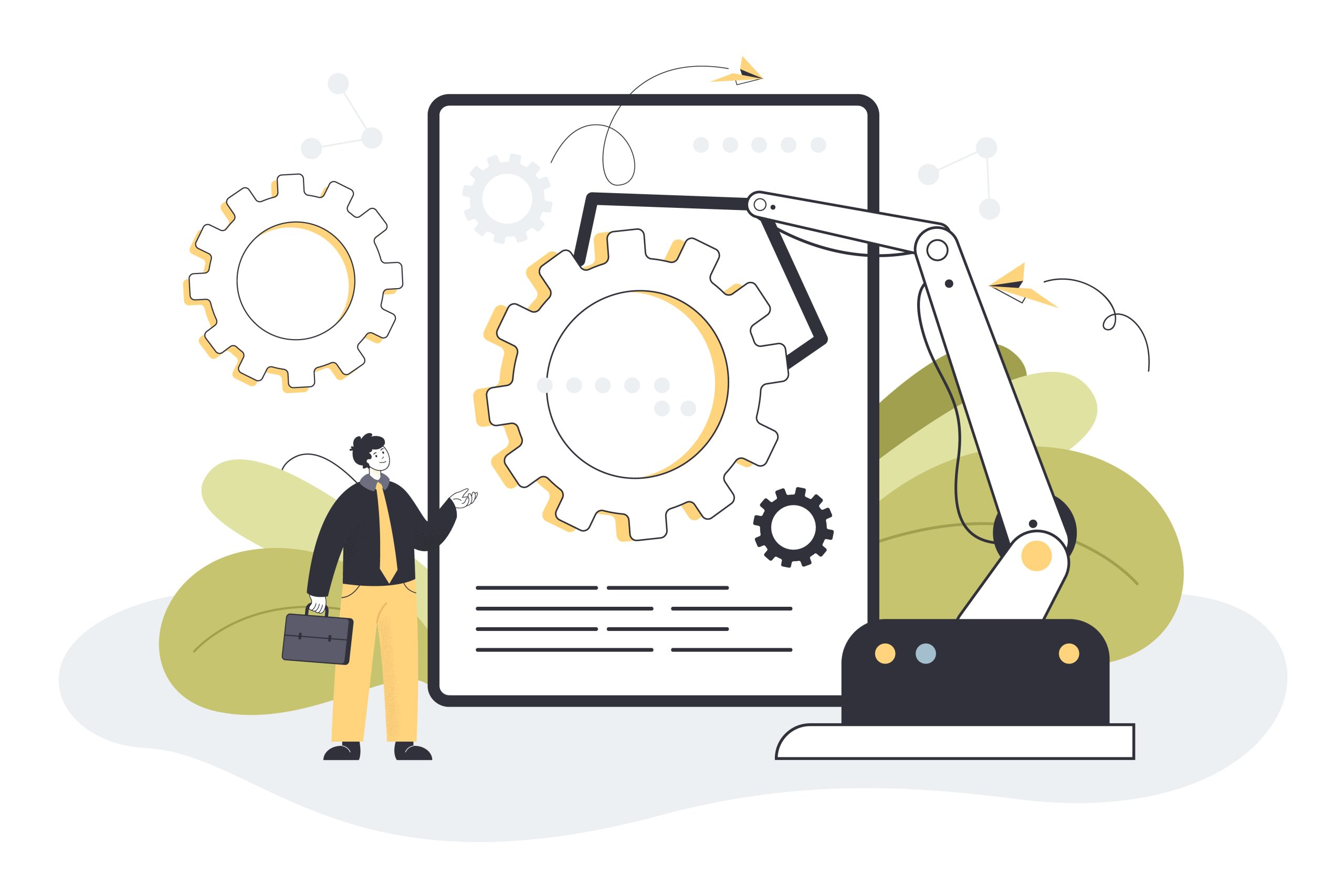
Industrial Transformation has become a powerful process shaping the future of many businesses. With the widespread use of digital tools, companies can now operate faster, more transparently, and more efficiently. For this reason, businesses are increasingly turning to the opportunities offered by digitalization to maintain their competitive advantage.
How Digitalization Creates New Standards for Industry
Traditional production methods served as the primary operating model for many years. However, these methods have become insufficient in the face of increasing workloads and changing customer expectations. At this point, digital processes have begun to establish new standards. Innovations such as data-driven management, real-time production monitoring, fast reporting, and transparent workflows help operations run more smoothly. At the same time, they reduce errors and lower costs. As a result, industrial companies can build a more controlled, planned, and reliable working environment.
Gaining Speed and Flexibility in Production with Industrial Transformation
Flexible production processes are especially critical in sectors with fluctuating demand. Industrial Transformation provides exactly this flexibility for businesses. Production planning becomes faster, changes can be implemented instantly, and bottlenecks in workflows can be detected early.
Additionally, real-time data allows managers to monitor processes remotely. This accelerates decision-making while enabling a clearer view of all operational stages. These advantages have become key factors in strengthening a company’s competitive power.
Improving Production Quality Through Data Management
Quality control plays a vital role in industrial environments. Even a minor error can create chain reactions and increase costs. Therefore, companies aim to establish stronger quality processes. Digital systems allow production data to be recorded systematically and transformed into meaningful reports. This makes quality issues easier to identify at an early stage. Moreover, improvement efforts can be based on production data, preventing repeated errors and raising quality standards in the long term.
More Effective Cost Management with Industrial Transformation
In highly competitive sectors, cost management directly impacts business success. Traditional methods rely on historical data, which may cause delays. Digital processes, however, enable real-time visibility of cost elements. Inventory management becomes more accurate, raw material losses decrease, and labor planning becomes more efficient. This helps companies use their budgets more effectively. Additionally, hidden costs such as energy consumption can be monitored more clearly, allowing businesses to eliminate unnecessary expenses.
Ease in Personnel Management and Workforce Efficiency
Employee performance is crucial for efficient operations in industrial companies. Digital systems enable better tracking of employee tasks, production speeds, and performance data. This allows managers to make fairer and more accurate evaluations while balancing workloads more effectively. As a result, workforce efficiency increases and employee satisfaction improves. A structured and transparent working environment directly enhances team motivation and overall production success.
The Role and Importance of Industrial Transformation in the Future
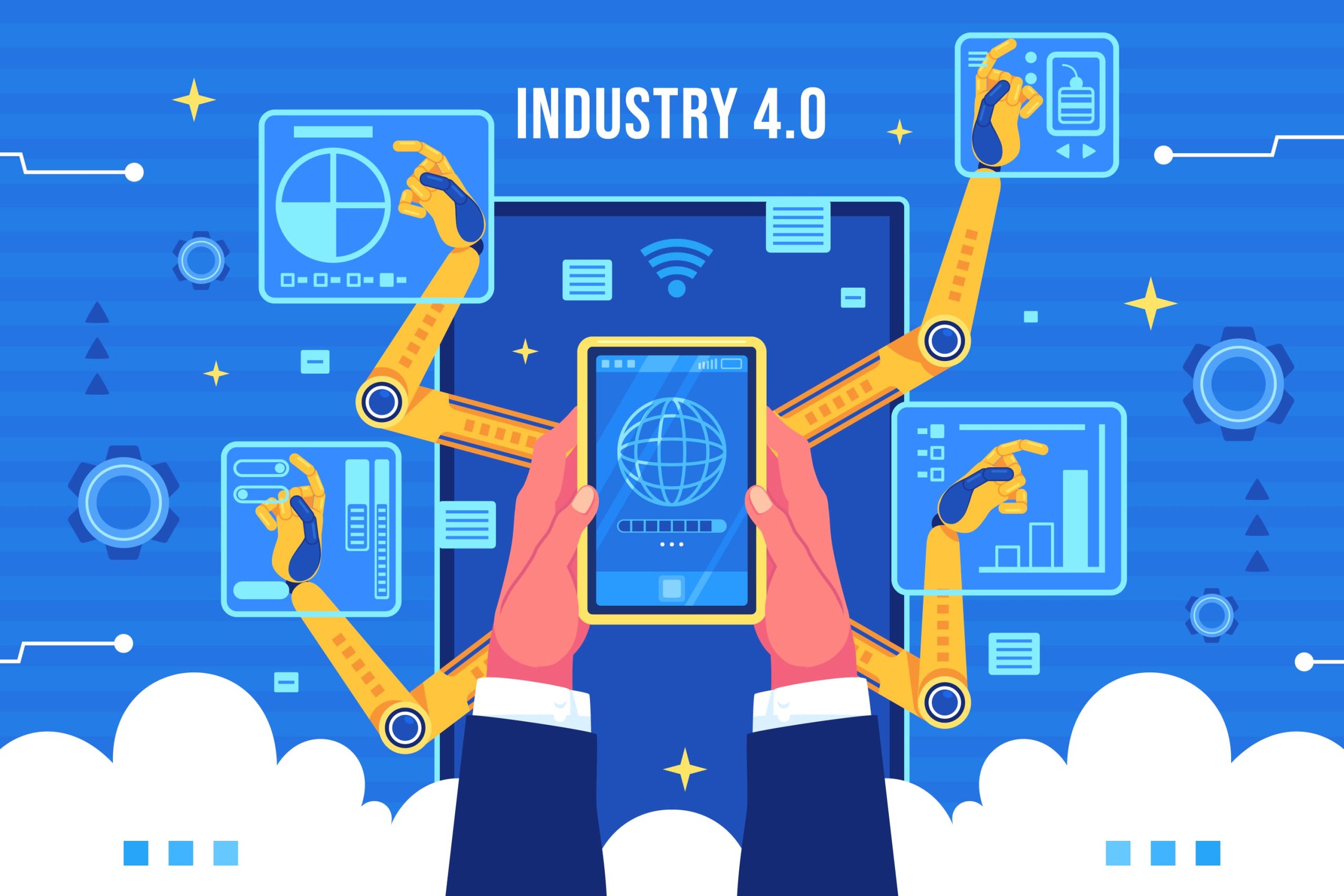
Looking ahead, Industrial Transformation is no longer a choice but a necessity. Technology continues to evolve, directly influencing business models. Technologies such as IoT, automation, artificial intelligence, and sensor-based production are becoming increasingly widespread.
These developments enable companies to create smarter and faster solutions. Digitalization affects not only production but also sales, logistics, supply chain, and finance processes. Therefore, continuous investment in digital transformation is essential to maintain a competitive advantage. When these steps are taken, companies adapt more easily to current conditions and achieve sustainable long-term growth.
Making Competitive Advantage Sustainable Through Digitalization
Digitalization now offers more than speed and traceability—it provides a strategic perspective. Product quality, production costs, delivery times, and customer satisfaction all benefit from this transformation. For this reason, transformation should be seen not merely as a technical upgrade but as a restructuring of the business model. Well-planned steps help companies gain lasting competitive advantages, strengthening their market position and enabling rapid adaptation to changing needs.
Explore the power of digitalization with SEMBOL BI by reading our article “SEMBOL BI: Every Process from Production to Delivery on One Screen”
Comments are closed